Flooring guides you can watch.
Short walkthroughs of the flooring jobs every San Diego homeowner runs into, acclimation, moisture testing, install over tile, cleaning, and squeak repair. Each guide comes with step-by-step instructions and a clear line on when to call a pro.
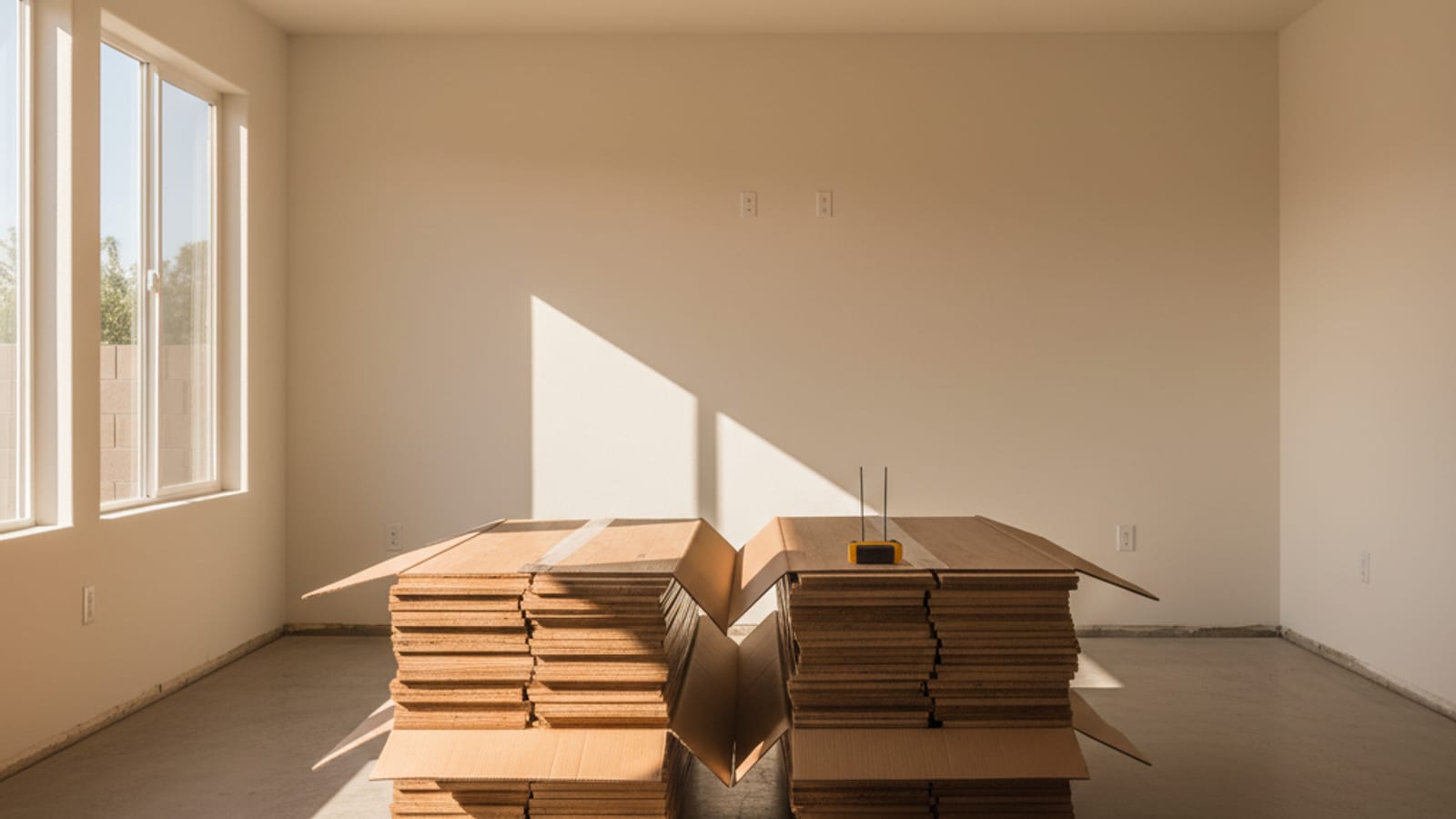
What flooring tasks can you do yourself?
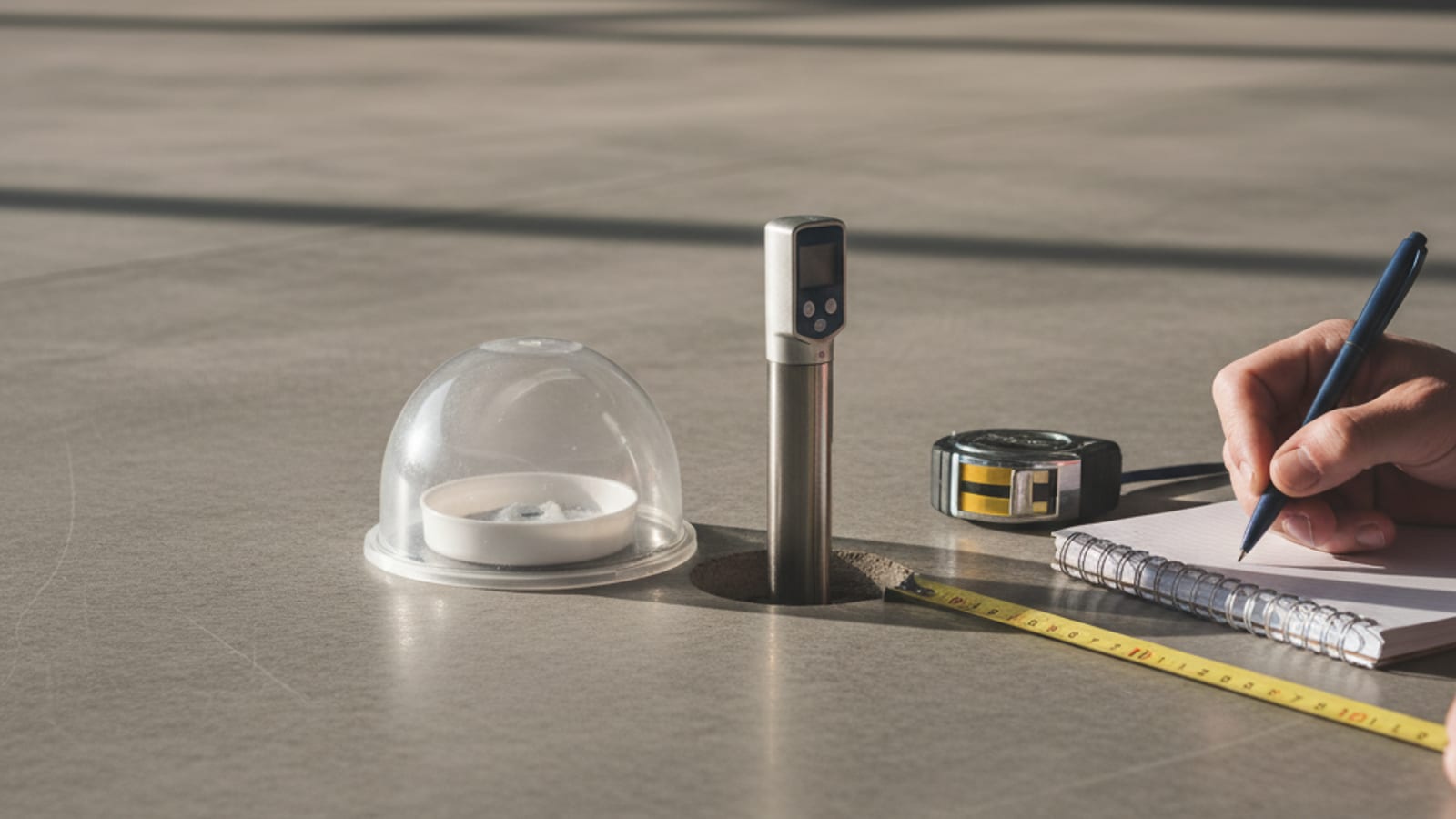
Moisture-test a concrete slab
If you skip slab moisture testing, your floor will tell you about it 6 to 18 months later. Test before you install.
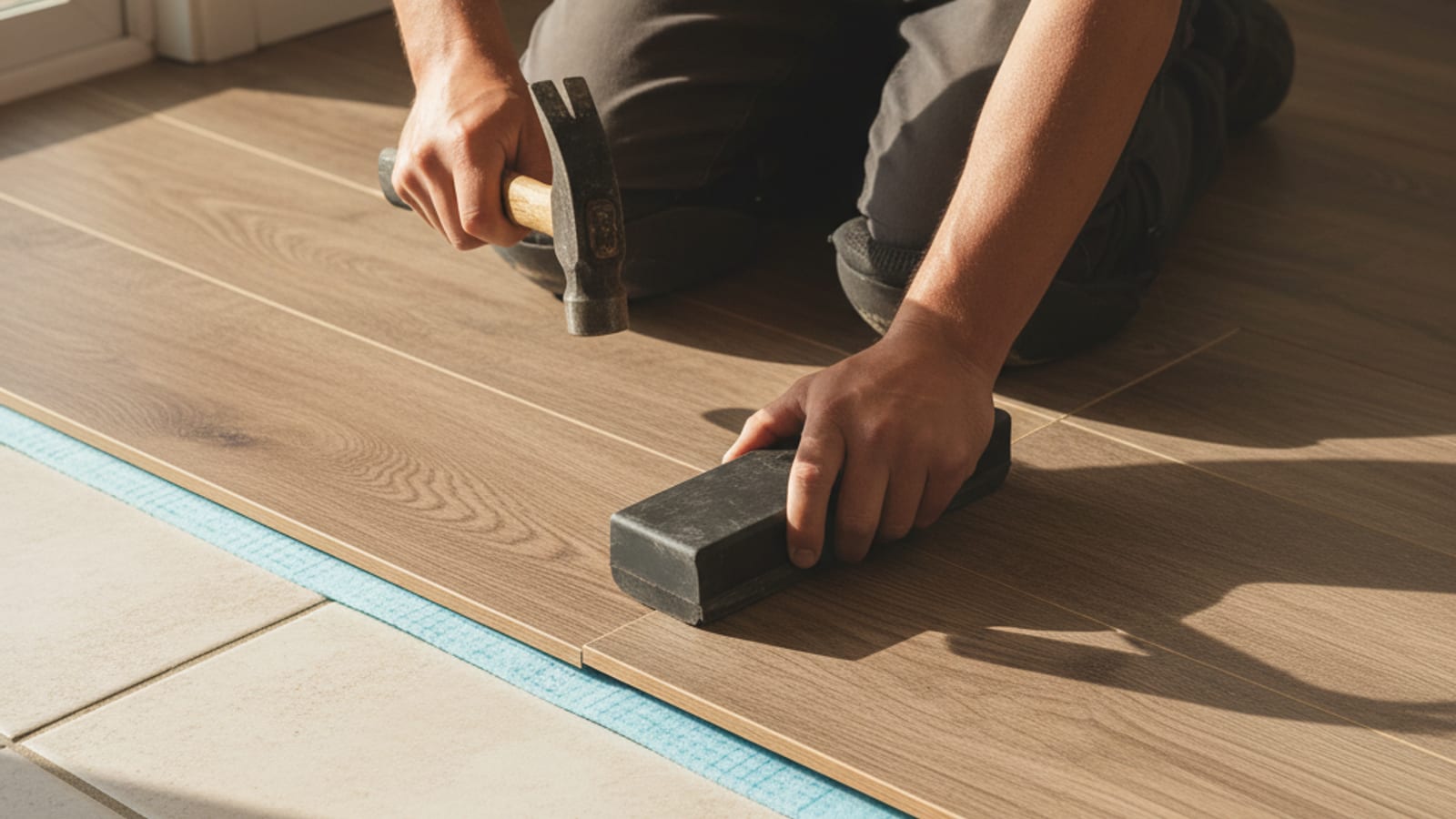
Install LVP over existing tile
Pulling out tile is expensive and messy. If the existing tile is sound, you can usually float LVP right over it.
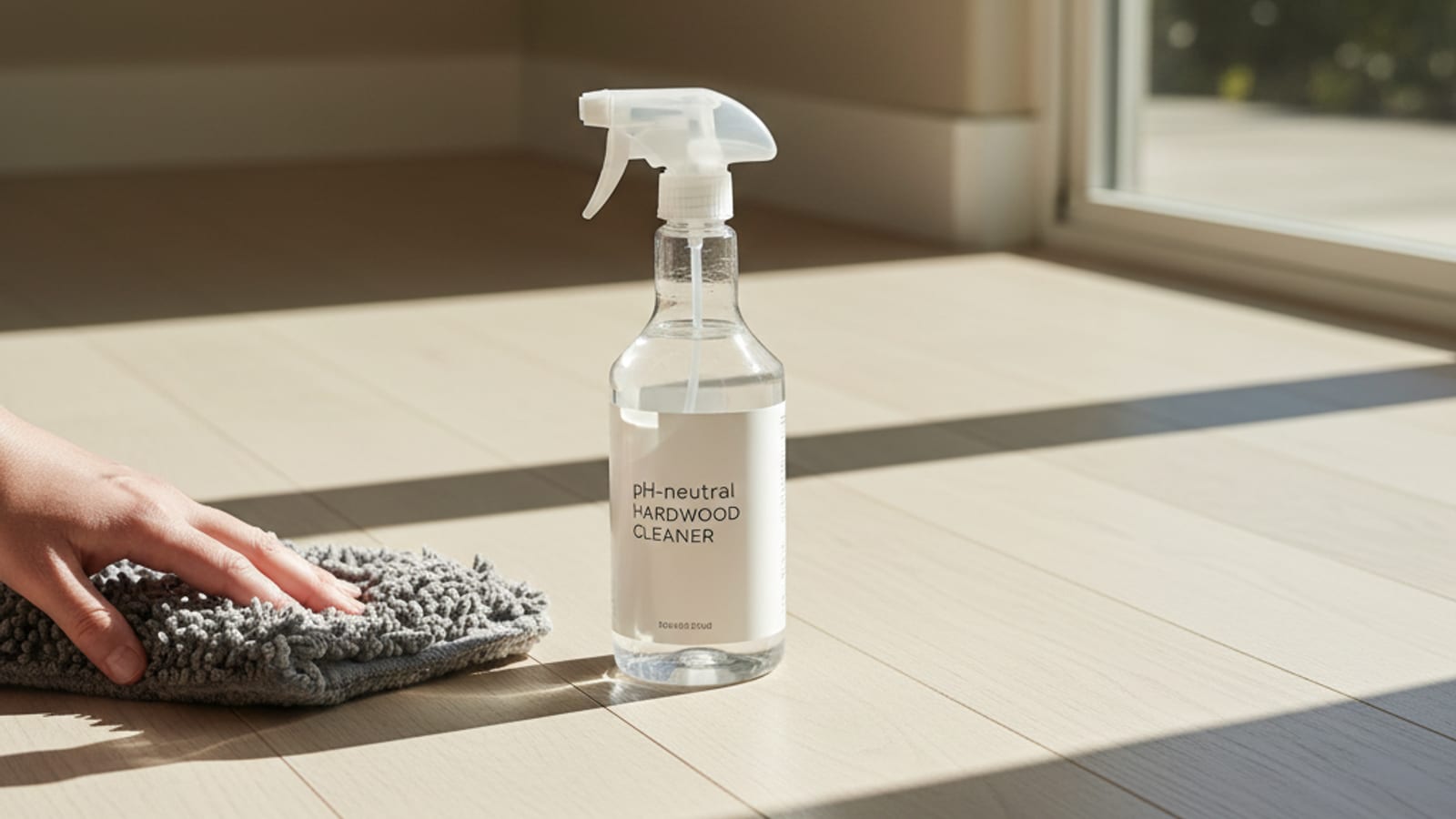
Clean hardwood floors the right way
More hardwood finish damage comes from cleaning than from foot traffic. The right method takes 5 minutes.
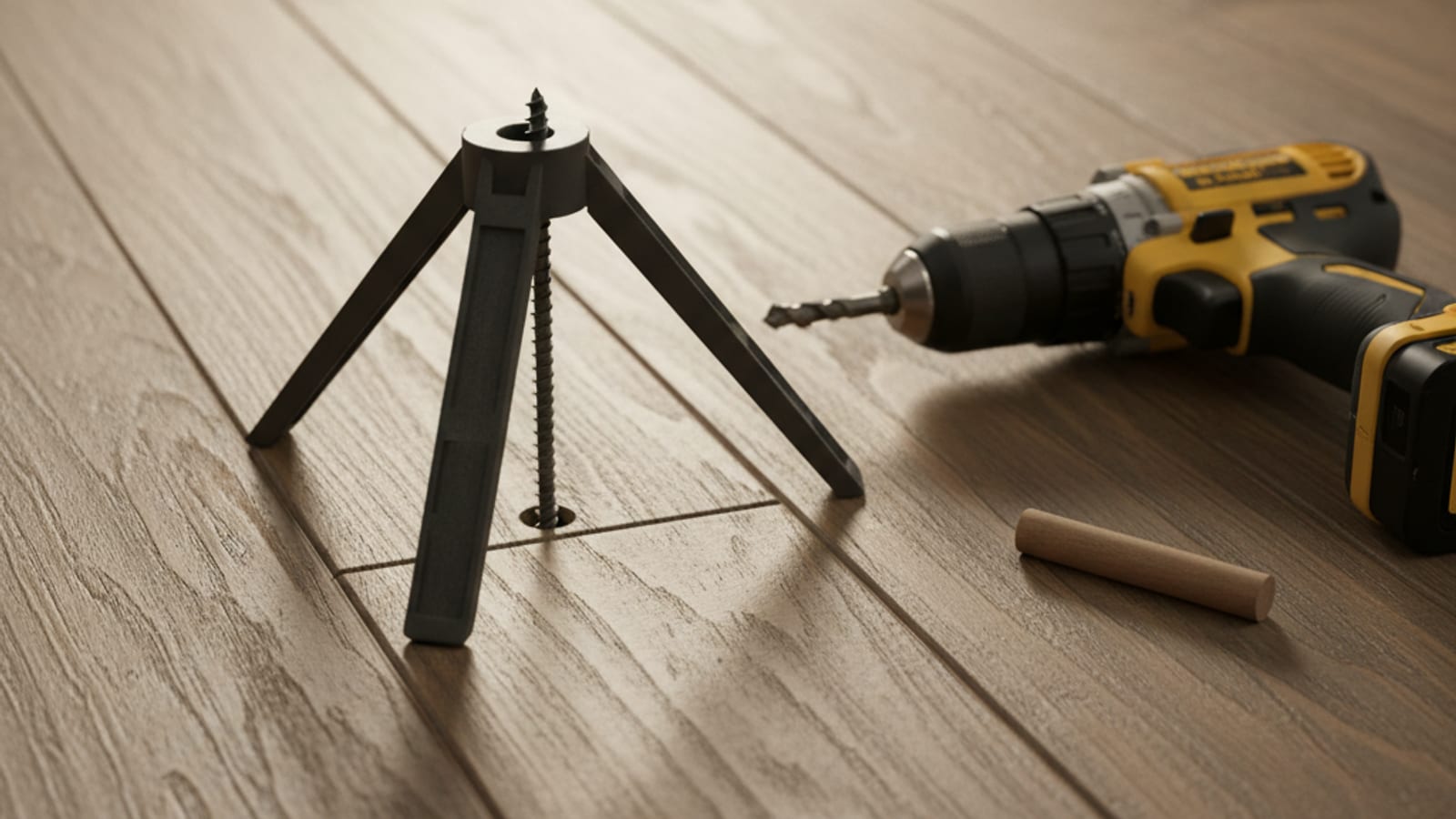
Fix a squeaky hardwood floor
Squeaks come from movement, a board moving against a nail, a subfloor moving against a joist. The fix depends on access.
When should you stop and call a professional?
Six signs that the problem is past DIY. Turn the system off and pick up the phone, running a system with these issues turns cheap repairs into expensive replacements.
- Floor is cupping (edges higher than center) or crowning (center higher than edges)
Almost always a moisture problem, high subfloor or high ambient humidity. The fix starts with finding the moisture source. Sanding flat will just bring the cups back.
- Wide gaps in winter that close in summer
Normal seasonal movement happens in every hardwood floor, but extreme gapping points to acclimation that was rushed at install or HVAC humidity that runs too low.
- Black or gray discoloration around walls or transitions
Water tracked under the floor, bath leak, dishwasher overflow, slab moisture coming through. Need to dry, find the source, and replace affected boards.
- Tile cracking in a straight line across the room
Slab crack telegraphing through the tile. Crack-isolation membrane was missing or under-spec. Fix involves removing the cracked tile and addressing the underlying slab movement.
- LVP edges curling at seams
Slab moisture above manufacturer spec, missing vapor barrier, or expansion gap too tight. All three are install errors that need to be corrected before the floor is reinstalled.
- Persistent squeaks along structural lines
Joist movement or subfloor delamination. A DIY squeak kit will not solve this, the crews we send open the floor, identify the cause, and screw or sister-joist as needed.
What flooring resources and standards should I know about?
NWFA, National Wood Flooring Association
Industry-standard installation, sand & finish, and maintenance guidelines.
California Contractors State License BoardCSLB License Lookup
Verify any contractor’s C-15 (Flooring) or general license before hiring.
TCNATCNA, Tile Council of North America
Standards, methods, and product specifications for ceramic and stone tile.
ASTM InternationalASTM F2170, Slab Moisture Standard
In-situ relative humidity testing for concrete slabs prior to flooring install.
Still stuck? Call a real flooring crew.
If the guide didn't solve it, we probably can. Free in-home measure and written quote across San Diego County.