Moisture-test a concrete slab
If you skip slab moisture testing, your floor will tell you about it 6 to 18 months later. Test before you install.
What you'll learn
- The two ASTM-standard slab moisture tests (F1869 and F2170)
- Which one is more accurate (in-situ probe, F2170)
- What numbers your flooring manufacturer requires
- When you need a moisture-mitigation coating before installing
Step by step
- Confirm the slab has been in place at least 30 days and HVAC has been running.
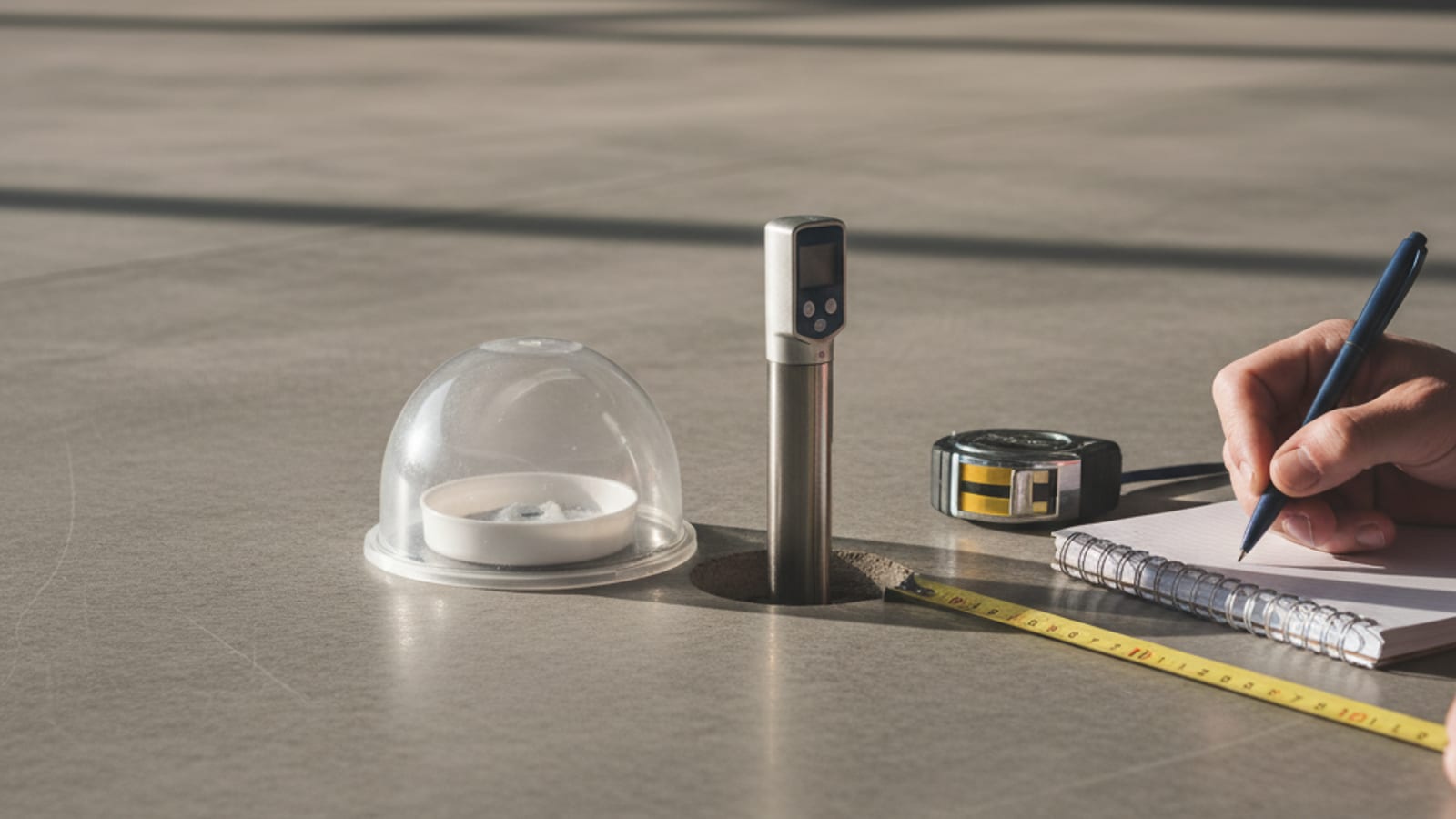
- For calcium chloride (F1869): clean the test area, place the dish, seal under a plastic dome for 60 to 72 hours, weigh.
- For in-situ probe (F2170): drill the slab to 40% depth, install the sleeve, wait 72 hours for equilibration, read RH%.
- Compare reading to flooring manufacturer spec (most LVP allows up to 80% RH or 5 lbs MVER).
- Above spec? Apply a moisture-mitigation coating before flooring goes down.
Safety note
We default to in-situ probes (ASTM F2170) on every slab install. They cost more in time but they read what's actually inside the slab, not just at the surface.
Rather have a pro handle it?
Free in-home flooring measure across San Diego County. A real flooring pro picks up.
More guides
Keep learning.
Basics · 5 min watch
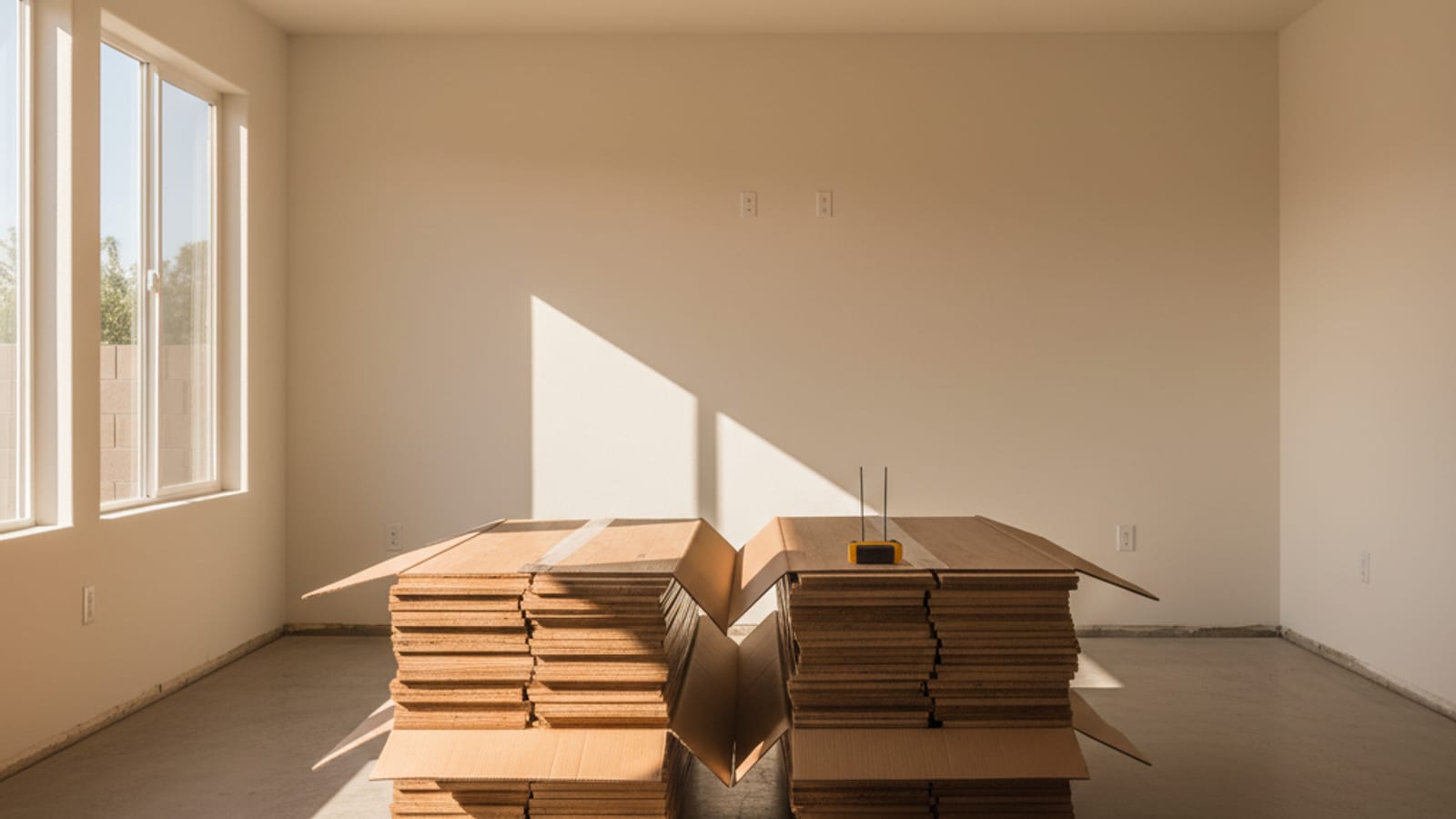
Acclimate hardwood before installation
Most failed hardwood installs come from one mistake: skipping acclimation. Five to ten days on site is non-negotiable.
Basics · 7 min watch
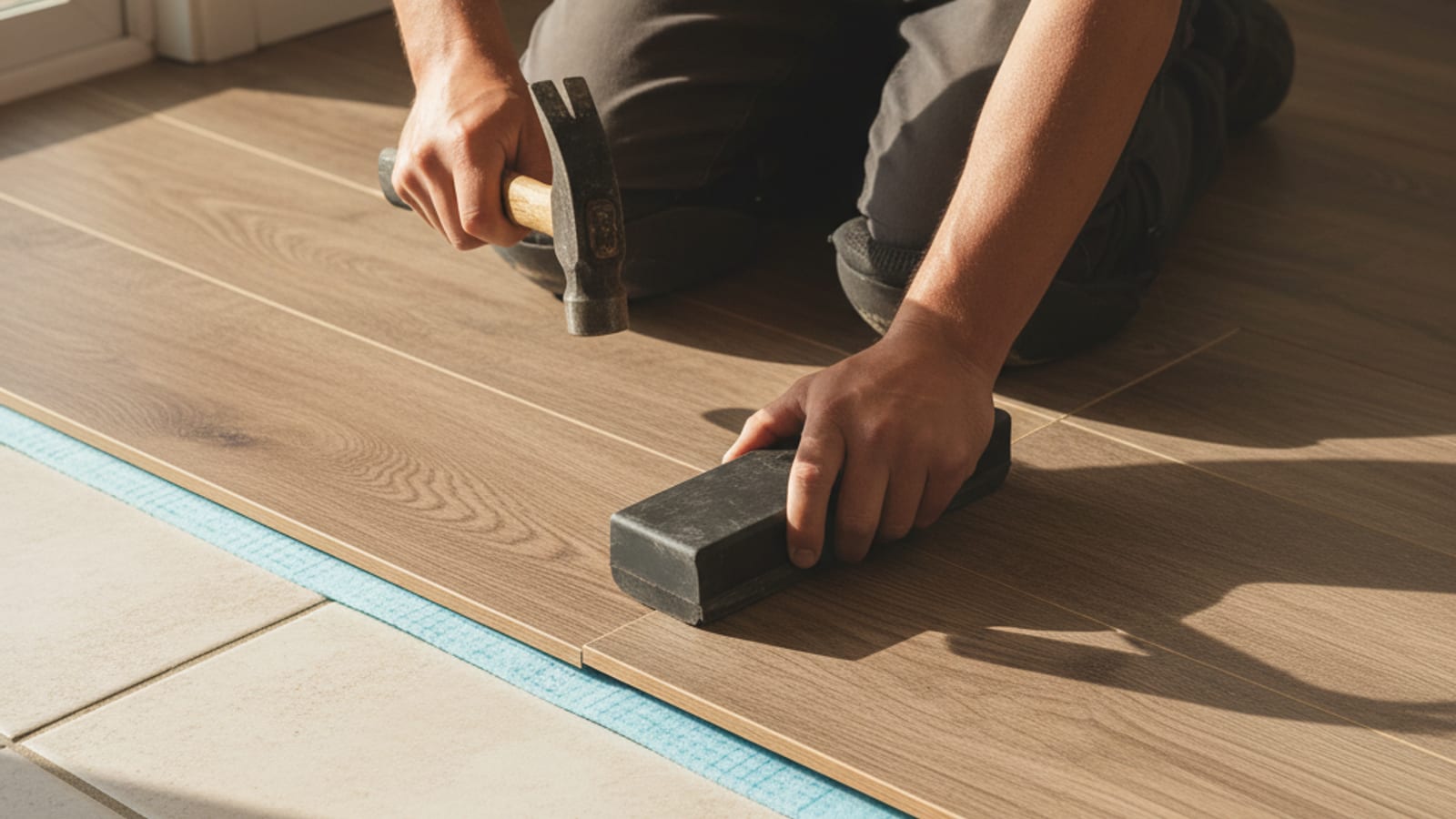
Install LVP over existing tile
Pulling out tile is expensive and messy. If the existing tile is sound, you can usually float LVP right over it.
Maintenance · 4 min watch
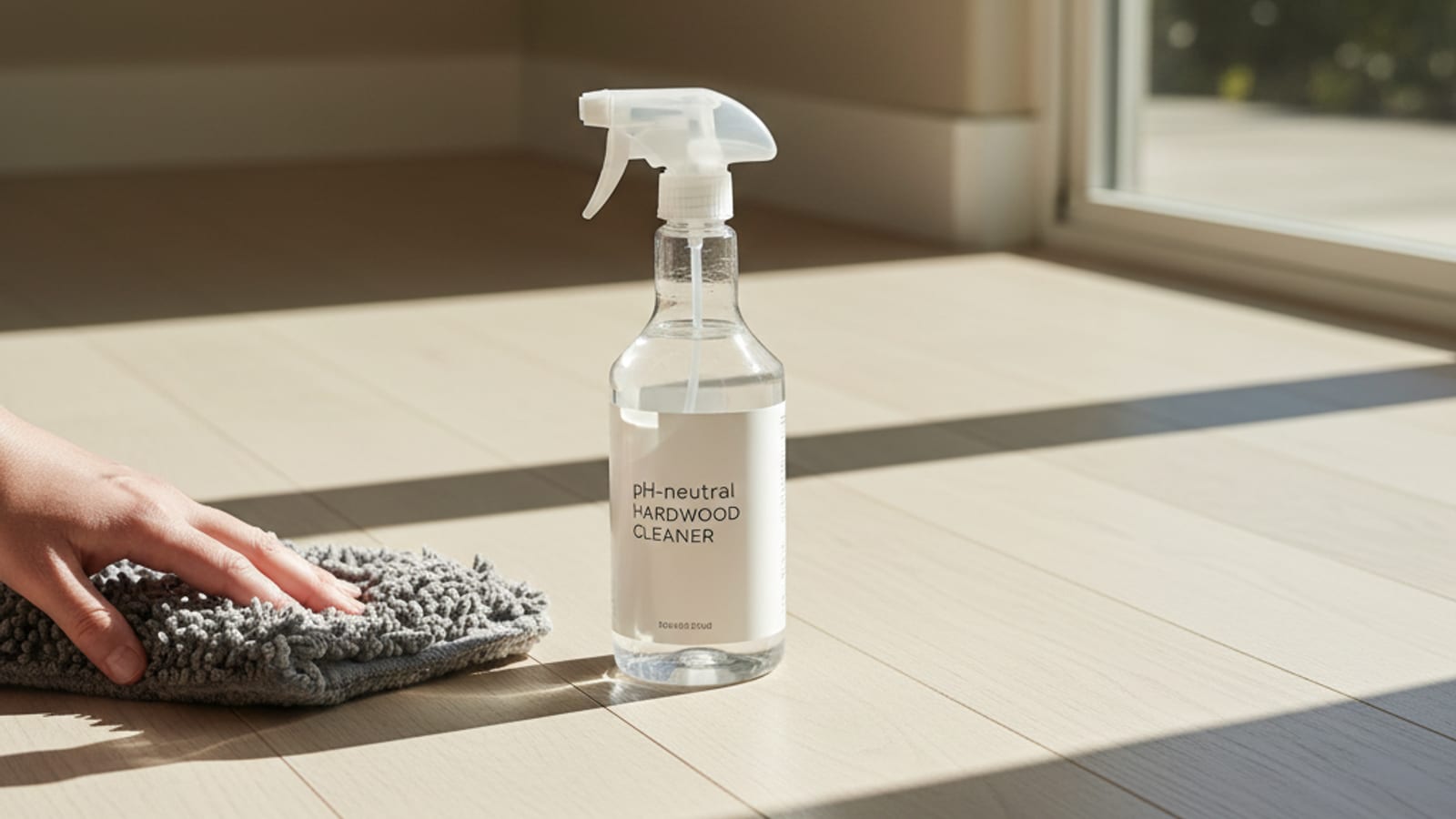
Clean hardwood floors the right way
More hardwood finish damage comes from cleaning than from foot traffic. The right method takes 5 minutes.